

Why Quality Road Works Matter: A Guide to Road Construction in Kisii
Roads are among the most important pieces of infrastructure a community, estate developer, or private landowner can invest in, yet road construction is frequently misunderstood, underbudgeted, or handled by contractors without the technical grounding to deliver a road that survives Kisii’s demanding rainfall and terrain conditions. This guide explains how proper road construction works, what separates a durable road from one that fails within a rainy season, and why working with an NCA-registered road works contractor protects both public and private road investments.
The Hidden Complexity of Road Construction
To the untrained eye, a road is simply a strip of compacted material laid across the ground. In reality, a properly constructed road is a layered engineering system, where each layer serves a specific structural purpose, and where a failure at any single layer can compromise the entire road’s lifespan. This is why road construction, unlike many other forms of construction work, is specifically regulated under its own National Construction Authority category, NCA for Road Works, distinct from general building works, since the technical requirements and risks involved are substantially different.
Understanding this layered structure helps landowners, estate developers, and county stakeholders in Kisii ask the right questions when commissioning road works, and recognize warning signs of substandard construction before a road fails.
Layer One: Subgrade Preparation
The subgrade is the natural ground beneath the road, and its preparation is the foundation upon which every other layer depends. In Kisii’s varied terrain, subgrade conditions differ significantly from one site to another, ranging from relatively stable murram soils to softer, more clay-rich ground that requires additional stabilization before construction can proceed safely.
Proper subgrade preparation involves clearing organic material, compacting the natural ground to a specified density, and addressing any soft spots or unstable soil pockets before subsequent layers are added. Skipping or rushing this stage is one of the most common causes of road failure, since a road built on an improperly prepared subgrade will develop cracks, ruts, and depressions regardless of how well the surface layers above it are constructed.
Layer Two: Sub-Base Construction
Above the prepared subgrade sits the sub-base layer, typically constructed using selected gravel or murram material compacted in controlled layers to achieve the density and load-bearing capacity required for the expected traffic on that road. The sub-base distributes the load from traffic above down through to the subgrade, reducing stress concentration and preventing premature deformation.
Sub-base thickness and material specification depend on the anticipated use of the road. A private access road serving a handful of residential properties requires a considerably lighter sub-base specification than a road intended to carry regular heavy vehicle traffic, such as those serving commercial or agricultural transport routes common in the Kisii region.
Layer Three: Base Course
The base course sits above the sub-base and is typically constructed from higher-quality, well-graded aggregate material, compacted to a tighter specification than the sub-base below it. This layer provides the primary structural strength of the road and is where the majority of load distribution occurs before reaching the surface layer.
In Kisii, base course material sourcing and quality control are particularly important given the region’s rainfall patterns, since inadequately compacted or poorly graded base course material becomes especially vulnerable to water infiltration and subsequent weakening during the long rainy seasons.
Layer Four: Surfacing
The surfacing layer is what most people think of when they picture a road, whether that is a simple graded murram surface, a gravel-surfaced road, or a fully bituminous (tarmac) surface. Surfacing choice depends heavily on budget, expected traffic volume, and the road’s intended lifespan, with murram and gravel surfaces suited to lower-traffic rural and access roads, and bituminous surfacing reserved for higher-traffic routes where the additional cost is justified by durability and reduced maintenance requirements.
Regardless of surfacing type chosen, proper cross-fall (the slight slope built into a road’s surface) is essential for shedding rainwater efficiently. A flat or improperly sloped road surface allows water to pool, accelerating surface degradation and creating the potholes that plague poorly constructed roads throughout the region.
Drainage: The Most Overlooked Element of Road Construction
If there is one element of road construction most frequently underestimated by inexperienced contractors and clients alike, it is drainage. Roads in Kisii face substantial rainfall throughout much of the year, and a road without adequate side drains, culverts, and cross-drainage structures will fail regardless of how well the structural layers beneath the surface were constructed.
Proper road drainage design includes side drains to carry surface water away from the road formation, culverts at points where natural water flow crosses the road alignment, and adequate cross-fall to direct water off the road surface efficiently rather than allowing it to pool and infiltrate the structural layers. Roads that fail prematurely in Kisii can very often be traced back to inadequate drainage design rather than poor surfacing material, underscoring why an experienced road works contractor treats drainage as a primary design consideration rather than an afterthought.
Common Causes of Road Failure in the Kisii Region
Understanding why roads fail helps clarify why proper construction practice matters so much in this specific region. The most frequent causes of road failure observed in Kisii and similar terrain include inadequate subgrade preparation on soft or clay-rich soils, insufficient compaction at any structural layer due to rushed construction schedules, inadequate or absent drainage infrastructure allowing water infiltration, use of substandard or poorly graded aggregate material to reduce costs, and lack of proper cross-fall leading to water pooling on the road surface.
Each of these failure modes is preventable through proper engineering practice and experienced contractor oversight, which is precisely why regulatory registration and technical competence matter so much when selecting a road works contractor.
Why NCA Registration Matters for Road Contractors
The National Construction Authority regulates road works contractors separately from general building contractors specifically because road construction demands distinct technical expertise: soil mechanics, drainage design, compaction standards, and material specification that differ meaningfully from residential or commercial building construction.
Prisam Co. Limited holds NCA5 registration for Road Works, meaning our technical capacity, equipment, and construction processes have been formally assessed against the standards required for this specific category of construction work. This registration provides accountability that unregistered or informally operating road construction outfits cannot offer, and it is a critical consideration for any county government office, estate developer, or private landowner commissioning road works in the region.
Equipment Considerations for Road Construction
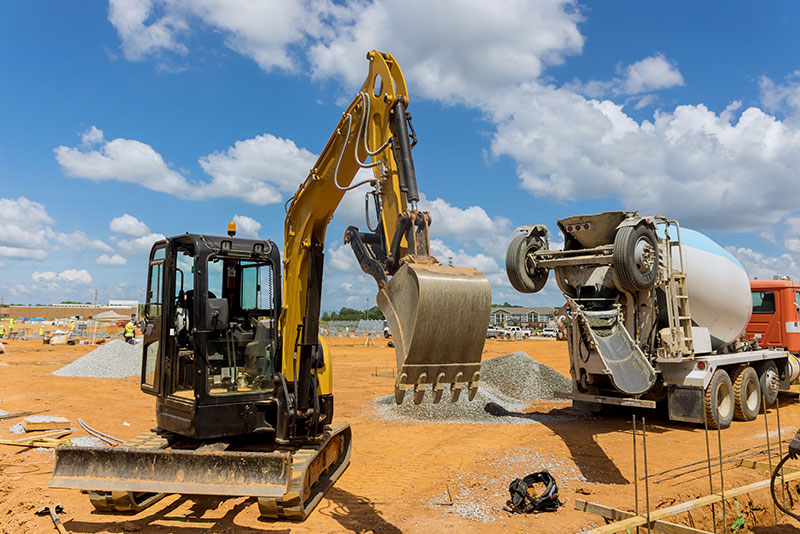
Road construction requires specific heavy equipment that general building contractors often do not possess, including excavators for cutting and grading, compaction equipment such as rollers to achieve required density at each structural layer, and grading equipment to shape and maintain the road’s cross-section and alignment.
Prisam Co. Limited maintains its own excavation and earthmoving equipment, which allows us to control project timelines directly rather than depending on third-party equipment hire schedules, a common source of delay and cost escalation on road projects handled by contractors without their own machinery.
Road Construction for Private Developments and Estates
Beyond public infrastructure projects, private road construction has become an increasingly important service for property developers and estate owners in Kisii, particularly as residential and commercial development expands into previously underserved areas. A well-constructed access road significantly increases the value and marketability of a development, while a poorly constructed one can become a costly, ongoing maintenance burden and a deterrent to potential buyers or tenants.
Developers planning private road infrastructure should engage a road works contractor at the earliest planning stage, since road alignment, drainage planning, and grading decisions made early in a development’s design have significant downstream effects on construction cost and long-term road performance.
Maintenance: Extending the Life of an Existing Road
Not every road project involves new construction. Maintenance and rehabilitation of existing roads, including pothole repair, drainage clearing, resurfacing, and grading, represent a significant and ongoing need across Kisii’s road network. Regular maintenance, performed before minor deterioration becomes major structural failure, is substantially more cost-effective than allowing a road to deteriorate to the point where full reconstruction becomes necessary.
Landowners, estate managers, and county offices responsible for road infrastructure are well served by establishing a periodic maintenance relationship with a qualified road works contractor, rather than waiting until a road has failed completely before commissioning repair work.
Budgeting for Road Construction Projects
Road construction costs in Kisii vary considerably based on road length, required width, subgrade conditions, drainage complexity, and surfacing choice. A basic murram access road serving a small residential development will cost substantially less per kilometer than a wider bituminous road designed to carry heavier commercial traffic. Clients commissioning road works should request a detailed, itemized quotation that breaks down costs by construction stage, allowing for clearer budget planning and easier identification of where cost savings might be found without compromising structural integrity.
Partnering with Prisam Co. Limited for Road Works
As an NCA5-registered building and road works contractor based in Kisii, Prisam Co. Limited brings the technical knowledge, equipment, and regulatory standing required to deliver road construction and maintenance projects that hold up under the region’s demanding rainfall and terrain conditions. From private access roads serving new developments to larger infrastructure projects, our team approaches every road works project with the same core principle that guides all our construction work: build it right the first time, so it doesn’t need to be rebuilt within a few short years.
To discuss a road construction or maintenance project in Kisii or Nyamira County, contact Prisam Co. Limited at 0701-270-344 or visit our head office at Kwanza Place, Kisumu Road, Fifth Floor Suite 35, Kisii, for a site assessment and detailed project quotation.