

Reliable water access remains one of the most fundamental infrastructure needs for homes, businesses, and institutions across Kenya, and in many areas, particularly those without consistent municipal water supply, borehole drilling and private water infrastructure have become essential rather than optional investments. This guide explains how borehole drilling works, what water reticulation involves, and what property owners, developers, and business operators need to understand before commissioning water infrastructure projects anywhere in Kenya.
Why Boreholes Have Become Essential Infrastructure
Municipal water supply across much of Kenya remains inconsistent, with many towns and peri-urban areas experiencing frequent interruptions, low pressure, or limited coverage that fails to keep pace with population and development growth. For residential developments, commercial properties, agricultural operations, and institutions such as schools and health facilities, this unreliability has made private water infrastructure, most commonly boreholes paired with storage and reticulation systems, an increasingly standard consideration rather than a specialized exception.
Beyond simply supplementing unreliable municipal supply, boreholes offer property owners direct control over their water security, a consideration that has grown particularly important for commercial operations, petrol stations, and institutional facilities where water interruption can directly affect operations and revenue.
Understanding the Borehole Drilling Process
Borehole development is a technical process that begins well before any drilling equipment arrives on site, and understanding this full process helps property owners set realistic expectations for both timeline and cost.
Hydrogeological Survey
The first step in any serious borehole project is a hydrogeological survey, typically conducted using geophysical survey equipment, to assess the underground water table, identify likely water-bearing zones, and estimate the depth at which water is likely to be encountered on a specific site. This survey is essential because groundwater availability varies significantly across Kenya’s diverse geology, and drilling without this assessment substantially increases the risk of a dry or low-yielding borehole, representing a significant wasted investment.
A proper hydrogeological survey provides a technical basis for deciding whether to proceed with drilling on a given site, and if so, roughly what depth and drilling approach is likely to yield the best results.
NEMA and WRA Approvals
Before drilling can legally commence, approval is typically required from the Water Resources Authority (WRA), which regulates groundwater abstraction across Kenya, and in some cases from the National Environment Management Authority (NEMA), depending on the scale of the intended water use. This regulatory step exists to manage groundwater resources sustainably and prevent over-abstraction in areas where multiple boreholes might otherwise deplete a shared aquifer.
Property owners should factor this approval process into their project timeline from the outset, since attempting to drill without proper authorization exposes the property owner to legal risk and potential enforcement action.
Drilling
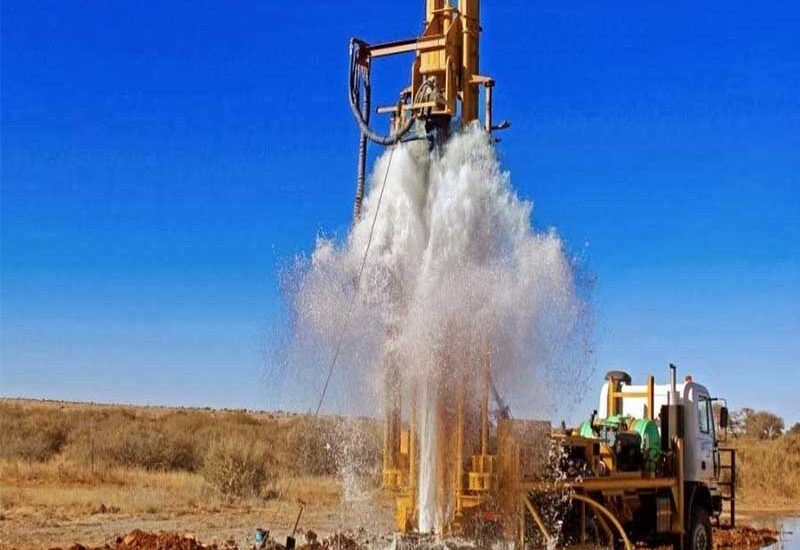
Once approvals are secured, the actual drilling process begins, using specialized drilling rigs capable of penetrating to the depths identified during the hydrogeological survey, which in Kenya commonly range from 50 meters to over 200 meters depending on local geology and the depth of the water table in that specific area. Drilling depth, ground conditions, and casing requirements all affect both the timeline and cost of this stage.
Casing and Test Pumping
Following successful drilling, the borehole is cased, typically using PVC or steel casing, to prevent collapse and contamination, and screened at the water-bearing zones to allow water to enter the borehole while filtering out sediment. Test pumping is then conducted to determine the borehole’s actual sustainable yield, a critical step that informs the sizing of the pumping equipment and storage infrastructure that will be installed.
Water Quality Testing
Once a borehole has been successfully drilled and tested for yield, water quality testing is an essential next step, particularly for boreholes intended for domestic use, food and beverage operations, or any application where water quality directly affects health and safety. Testing typically assesses parameters including pH, mineral content, and microbiological safety, and results inform whether any treatment system is required before the water is suitable for its intended use.
Skipping water quality testing is a common and risky shortcut, since groundwater quality varies significantly by location and geology, and untreated water unsuitable for its intended use can create serious health or operational problems down the line.
Pump Selection and Installation
Selecting the correct pumping system depends on the borehole’s tested yield, the depth of the water table, and the intended daily water demand of the property being served. Submersible pumps are the most common choice for domestic and commercial borehole applications in Kenya, installed within the borehole itself and sized according to both the depth of installation and the required flow rate.
Proper pump sizing matters significantly to both system reliability and long-term operating cost, since an undersized pump will struggle to meet demand while an oversized pump represents unnecessary capital expenditure and can, in some cases, over-extract from the borehole faster than it naturally recharges.
Water Storage Infrastructure
Boreholes are typically paired with storage tanks, sized according to daily water demand and any backup capacity requirements, to buffer against pump downtime and provide consistent water pressure to connected infrastructure. Storage tank sizing and placement, whether ground-level tanks, elevated tanks for gravity-fed distribution, or a combination of both, significantly affects the overall reliability and pressure performance of the completed water system.
For larger developments or commercial operations, storage capacity planning should account not just for normal daily demand but for reasonable contingency in the event of temporary pump or power interruptions, ensuring water supply continuity even during short-term system downtime.
Water Reticulation: Distributing Water Across a Property or Development
Water reticulation refers to the network of pipes and distribution infrastructure that carries water from the source, whether a borehole or municipal connection, to the various points of use across a property or development. For a single residential property, this is relatively straightforward, but for larger developments, institutions, or multi-unit properties, water reticulation design becomes considerably more complex, requiring careful planning to ensure adequate pressure and flow reach every connected point.
Proper reticulation design considers pipe sizing appropriate to the distances and flow rates involved, pressure management across a development with varying elevation, and appropriate valve placement to allow sections of the network to be isolated for maintenance without disrupting the entire system.
Water Infrastructure for Petrol and Gas Stations
Petrol and gas stations represent a specialized category of water infrastructure need, requiring reliable water supply for operational purposes including vehicle washing facilities, fire suppression systems, and staff and customer sanitary facilities, often with specific regulatory requirements attached to fire safety water provision. Developing water infrastructure for these facilities requires coordination between borehole and reticulation design and the broader mechanical and safety systems the facility requires, making this a specialized area within the broader field of mechanical works.
Water Infrastructure for Institutional Buildings
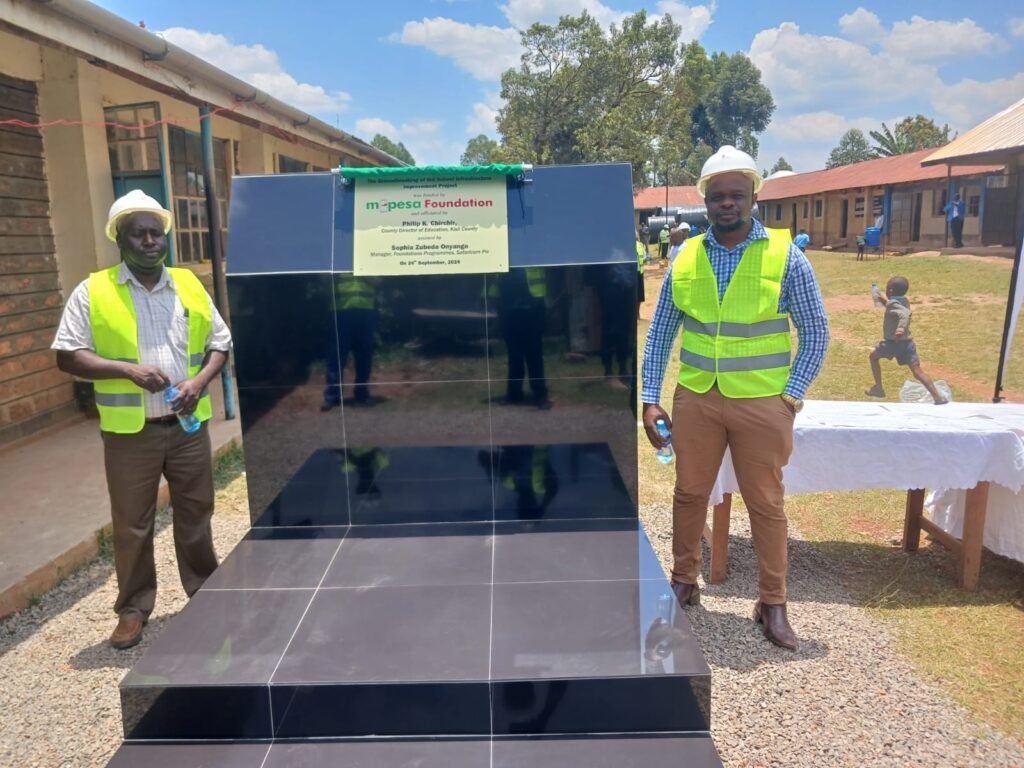
Schools, health facilities, and other institutional buildings across Kenya frequently rely on borehole and water reticulation infrastructure, particularly in areas where municipal supply cannot reliably meet the consistent, often higher-volume demand these facilities require. Institutional water infrastructure projects typically demand particular attention to water quality, given the vulnerable populations these facilities often serve, and to system reliability, given the operational disruption that water interruption can cause to schools and health facilities alike.
Maintenance and Long-Term System Performance
Borehole and water reticulation systems, like any infrastructure, require ongoing maintenance to perform reliably over their operational lifespan. This includes periodic pump servicing, monitoring of borehole yield over time (since yield can decline due to factors including aquifer changes or borehole siltation), and regular inspection of storage and reticulation infrastructure for leaks or degradation.
Property owners are well served by establishing a maintenance relationship with a qualified mechanical works contractor rather than waiting for system failure before addressing maintenance needs, since proactive maintenance is consistently more cost-effective than emergency repairs following a system breakdown.
Cost Considerations for Borehole and Water Infrastructure Projects
Borehole drilling and associated water infrastructure costs in Kenya vary considerably based on drilling depth, geological conditions, pump specification, storage capacity, and the complexity of reticulation infrastructure required. Given this variability, property owners should insist on a detailed, itemized quotation that breaks down hydrogeological survey costs, drilling costs, casing and screening, test pumping, pump and storage equipment, and reticulation infrastructure separately, allowing for clearer budget planning and more informed decision-making at each stage of the project.
Why Working With a Qualified Mechanical Works Contractor Matters
Borehole drilling and water infrastructure development is a technical discipline requiring specific equipment, hydrogeological expertise, and regulatory knowledge that general building contractors do not necessarily possess. Engaging a contractor with genuine, demonstrated capacity in mechanical works, including borehole drilling, water reticulation, and infrastructure for specialized facilities such as buildings and petrol or gas stations, significantly reduces the risk of a poorly executed water infrastructure investment.
Prisam Co. Limited provides mechanical works services covering borehole drilling, water reticulation, and installations for buildings, petrol stations, and gas stations, giving clients across Kenya a single, accountable partner for water infrastructure needs alongside our broader building and road works capacity.
Planning Your Water Infrastructure Project
Whether you are developing a residential property, a commercial facility, an institutional building, or a petrol or gas station anywhere in Kenya, proper water infrastructure planning from the earliest stages of your project significantly improves both cost efficiency and long-term system reliability. Engaging a qualified mechanical works contractor early, ideally during the design phase of your broader construction project, allows water infrastructure to be properly integrated into your overall development rather than retrofitted as an afterthought.
To discuss a borehole drilling or water infrastructure project anywhere in Kenya, contact Prisam Co. Limited at 0701-270-344 or visit our head office at Kwanza Place, Kisumu Road, Fifth Floor Suite 35, Kisii, for a site assessment and detailed project quotation.